A small drip under the sink at 11 p.m. rarely stays small. In a Dubai or Abu Dhabi apartment, water finds gypsum ceilings, wooden skirting and the neighbour below faster than most people expect. The good news: the first ten minutes matter far more than any tool in your drawer. If you get those minutes right, the damage stays boring and the repair stays cheap.
This guide walks through exactly what to do when a faucet, toilet or pipe starts leaking in a UAE home, in the order a calm person would do it. No heroics, no guesswork, and a clear line where the professional takes over.
Step one
Shut the water off before you do anything else
Every extra minute of running water adds litres to the floor and to your bill. Before you grab a towel, before you photograph the leak for the building manager, before you call anyone, close the tap that feeds the leaking fixture. In most UAE apartments and villas you have three options, in this order of preference:
- The local shut-off valve. Under a sink there are usually two small angle valves, one hot and one cold. Turn them clockwise until they stop. Toilets have a single valve behind or beside the tank.
- The bathroom or kitchen isolator. Many UAE buildings put a small isolator inside the bathroom ceiling hatch or behind an access panel. Closing it kills water to that room only.
- The main apartment shut-off. Usually near the water heater cupboard or the utility riser. Use this if you cannot find a local valve or if the leak is on a wall pipe, not on a fixture.
If the leak is dramatic, a burst flexible hose or a cracked pipe spraying sideways, skip straight to the main shut-off. According to the public utility network in the UAE mains pressure is high enough that a burst braided hose can empty a rooftop tank within an hour.
Step two
Contain the water and protect the neighbours below
In a tower block, the biggest financial risk is not your own floor. It is the ceiling of the flat downstairs. Gypsum absorbs water quickly, then sags, stains and sometimes falls. If your neighbour has to repaint or replace a ceiling, that becomes your bill through the building’s insurance claim.
Move fast, but calmly:
- Put every towel you own on the floor, starting at the wettest edge and pushing outward.
- Slide a shallow tray, baking dish or plastic bin under an active drip.
- Lift rugs, electronics and cardboard boxes off the floor. Cardboard wicks water into walls surprisingly well.
- Open the bathroom or kitchen door and switch on the extractor fan. UAE humidity means standing water turns into mould within 24 to 48 hours.
- If water has reached a power socket or an extension cord, switch the relevant circuit off at the DB board before touching anything.
Take photos once the area is under control. You will need them for the building management and, if the leak damaged furniture, for your home contents insurance.
Diagnosis
Faucet, toilet or pipe: what each leak usually means
Not every leak is equal. Knowing what you are looking at helps you describe it accurately to a plumber, which shortens the visit and the invoice.
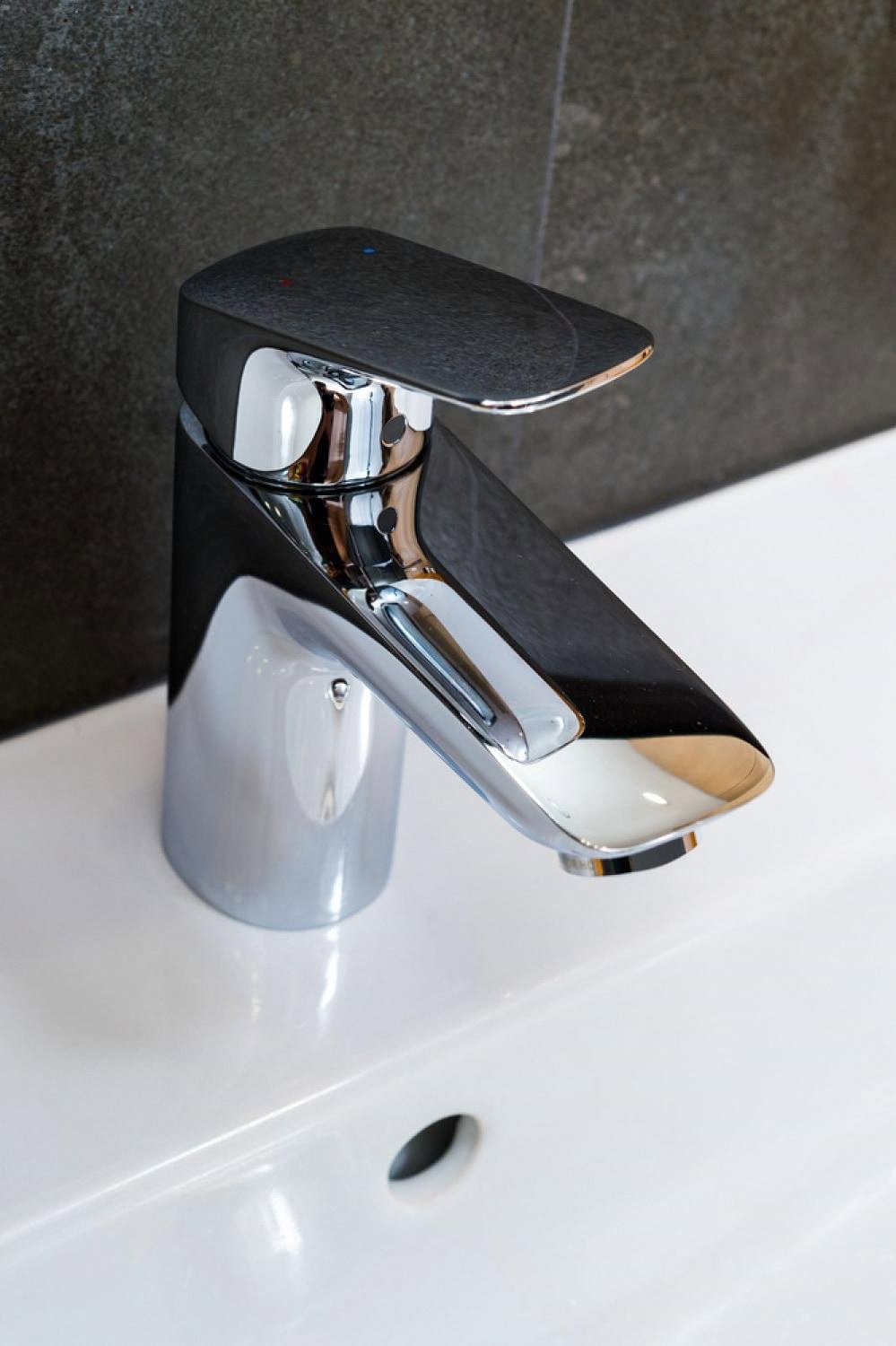
- Faucet drip from the spout. Almost always a worn cartridge or ceramic disc inside the mixer. Cheap part, quick fix.
- Water at the base of the faucet. Usually a failed O-ring or a loose braided supply hose underneath. Check under the sink first.
- Toilet running constantly. The flapper or fill valve inside the cistern. Water is going straight into the bowl, and straight onto your DEWA or SEWA bill.
- Water pooling around the toilet base. A failed wax seal or a cracked porcelain foot. Do not use the toilet until it is inspected.
- Wet patch on a wall or ceiling. A pipe inside the wall, or a leak from the flat above. This is the one you never fix yourself.
Step three
Know your limits, especially in a rented flat
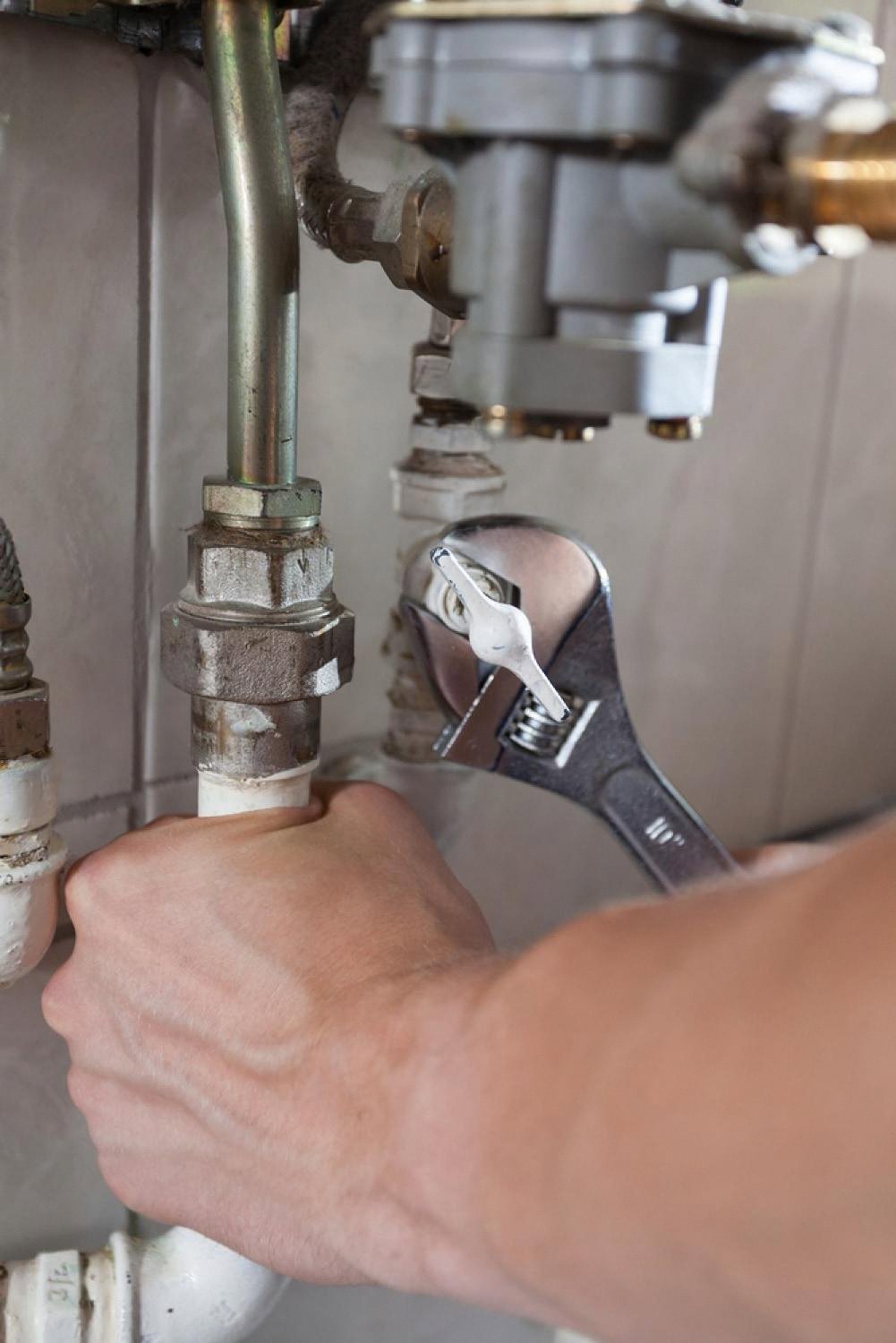
There is a strong temptation, particularly at night, to open a wrench drawer and try to tighten something. Sometimes this works. Often it makes the leak worse, because plumbing fittings in UAE buildings are usually brass or chromed brass that has been in place for years. Over-tightening a corroded nut cracks it, and a slow drip becomes a full spray.
A safe rule for a non-specialist:
- You can tighten a visibly loose braided hose by hand, a quarter turn, no more.
- You can replace the flapper inside a toilet cistern using a matching part from any UAE hardware shop.
- You can unscrew and clean a clogged faucet aerator.
- Do not open a wall, disconnect a water heater, or dismantle a mixer cartridge unless you have done it before.
- Do not use silicone, tape or chewing gum as a permanent seal. It buys hours, not weeks, and it makes the professional repair harder.
If you rent, there is another layer. Most UAE tenancy contracts state that minor maintenance under a set amount (often AED 500 to AED 1,000) is the tenant’s responsibility, but major plumbing sits with the landlord. Attempting a repair yourself and making it worse can shift liability. When in doubt, notify the landlord or building management in writing before you touch anything structural.
Why calling a plumber is usually the right answer
A qualified plumber does three things you cannot do from a YouTube video. First, they stop the leak properly, not just visibly. Second, they find the cause, which is often not where the water appears. A wet patch under the kitchen sink can trace back to a fridge water line or a dishwasher hose two metres away. Third, they replace the tired part, not just the failed one, so the same leak does not return in six weeks.
In the UAE, licensed plumbers work through the building’s approved contractor list or through independent firms registered with the local municipality. Both routes are fine, but the building route is faster if the leak involves a shared riser or affects another unit. A good plumber will also flag related issues, corroded shut-off valves, undersized flexible hoses, or a water tank that has not been cleaned in years. On that last point, if the leak came with visibly dirty or discoloured water, arrange a professional water tank cleaning in Dubai at the same time, since sediment and biofilm shorten the life of every fixture downstream.
How to prevent the next leak
Replace flexible hoses
The braided steel hoses under sinks and behind washing machines have a working life of roughly 5 to 8 years in UAE water conditions. Swap them on schedule, not after they burst.
Service the water heater
Ceiling-mounted heaters in bathrooms are the single most common source of catastrophic leaks in UAE apartments. An annual check catches corrosion early.
Watch your bill
A sudden jump on a DEWA, SEWA or ADDC statement, with no change in habits, almost always means a silent leak. Investigate before the next cycle.
The short version, in order
- Close the water. Local valve first, main shut-off if needed.
- Dry the floor. Protect the flat below and your own electrics.
- Photograph the damage. For insurance and for the building.
- Do not improvise repairs if you are unsure. A wrong turn on a corroded fitting makes everything worse.
- Call a licensed plumber and ask them to identify the cause, not just patch the symptom.
Handled this way, most household leaks in the UAE end as a two-hour visit and a small parts bill, not a claim, not a ruined ceiling, and not an argument with the neighbour downstairs.
Frequently asked questions
Where is the main water shut-off valve in a typical UAE apartment?
In most UAE apartments it sits inside the utility or laundry cupboard, close to the water heater, or behind a small access panel in a corridor ceiling. Some newer towers place it inside the kitchen kickboard or beside the washing-machine connection.
If you have just moved in, spend five minutes finding and testing it once, while everything is dry. In an emergency you do not want to be searching for it with water on the floor.
Should I try to fix a leaking faucet myself?
Small jobs are fine: cleaning an aerator, replacing a visible washer, or tightening a hand-loose hose by a quarter turn. Anything that involves dismantling the mixer body, opening a wall, or touching the water heater should go to a licensed plumber.
If you rent, check your tenancy contract first. Many UAE contracts make the landlord responsible for repairs above a set value, and a DIY attempt that goes wrong can shift the cost to you.
The toilet keeps running after flushing. Is that an emergency?
It is not an emergency, but it is expensive. A continuously running toilet can waste hundreds of litres a day, which shows up quickly on a DEWA, SEWA or ADDC bill.
The cause is almost always the flapper or the fill valve inside the cistern. Both are inexpensive parts sold in any UAE hardware shop and can be replaced in under an hour by a plumber.
There is a wet patch on my ceiling. What should I do?
A wet ceiling patch almost always means water from the flat above, not from your own pipes. Do not drill, poke or try to open the gypsum. Photograph it, note the time you first saw it, and contact building management immediately so they can inspect the unit upstairs.
If the patch grows or starts dripping, place a bucket under it and switch off any nearby light fittings at the circuit breaker until the source is identified.
How long does a plumber usually take to arrive in Dubai or Abu Dhabi?
For non-emergency work, most independent plumbers in Dubai and Abu Dhabi offer same-day or next-day slots. For an active leak, building-approved contractors are usually the fastest, often within one to three hours, because they are already onsite or under contract.
Have your building name, unit number and a short description of the leak ready when you call. It speeds up dispatch and helps them bring the right parts.
Does home insurance in the UAE cover water damage from a leak?
Most standard home contents policies in the UAE cover sudden and accidental water damage, for example a burst hose or a cracked pipe. They usually do not cover gradual leaks that were left unattended, or damage caused by lack of maintenance.
Photograph everything, keep the plumber’s invoice, and notify the insurer promptly. If a neighbour’s property is affected, the building’s own policy often handles that side of the claim.
Can dirty water from the tank cause leaks in faucets and pipes?
Indirectly, yes. Sediment, sand and biofilm from an uncleaned water tank wear out cartridges, aerators and rubber seals faster than clean water does. Over years, this shortens the life of every fixture in the apartment.
Scheduling a professional tank cleaning once a year in the UAE is a low-cost way to extend the working life of your plumbing and reduce the frequency of small leaks.

Basketball fan, ramen eater, audiophile, Eames fan and typography affectionado. Doing at the junction of aesthetics and elegance to craft experiences both online and in real life. German award-winning designer raised in Austria & currently living in New York City.